Why LaserDisc Box Sets Often Hold More Value Than Single Discs

The difference between a loose disc and a complete set
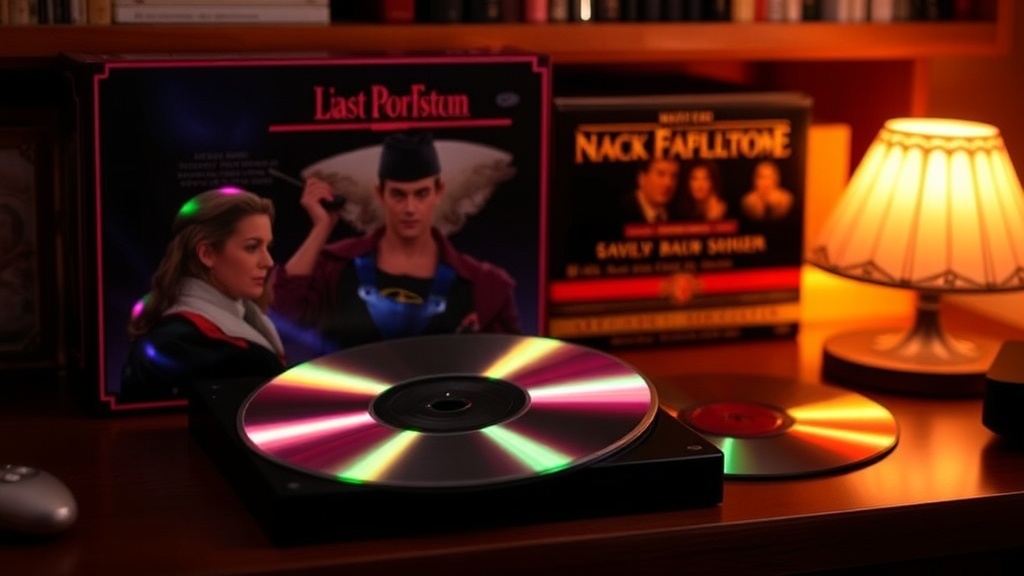
Picture this: you're scouring a local thrift store or browsing a digital marketplace, and you spot a single, high-quality press of a sci-fi classic. It's tempting, sure. But then, you see a heavy, multi-disc box set tucked in the corner—the kind with the thick cardboard-style housing and a detailed booklet. While the single disc might play perfectly, that box set represents something entirely different. It's a curated experience that captures the way media was consumed during the peak of the format's popularity. For collectors, the distinction between a single disc and a comprehensive box set isn't just about more minutes of footage; it's about the completeness of the historical record.
Single discs are great for casual viewing, but box sets often provide the context that makes a collection meaningful. When you buy a specialized set, you aren't just buying the film; you're buying the supplemental material, the specific audio tracks, and the physical presence of a larger, more imposing object. In the world of high-end analog media, size and presentation matter. A well-preserved box set acts as a centerpiece for a shelf, whereas a lone disc can sometimes feel like a fragment of a larger story.
Are box sets worth the higher price tag?
It's a fair question. If you're on a tight budget, buying individual releases is the logical way to build a library. However, there are several reasons why the premium for a set might be worth your investment. First, there's the supplemental content. Many high-end LaserDisc releases—especially those from companies like Criterion or specialized boutique labels—included much more than just the movie. You might find director commentaries, making-of documentaries, or even rare promotional clips that simply aren't available on standard single-disc releases.
Second, there's the factor of physical preservation. A single disc is often sold in a simple sleeve or a flimsy cardboard jacket. A box set, by design, is built to house multiple discs and keeps them organized and protected. If you're looking to build a collection that maintains its value over decades, the sturdy construction of a box set often provides a better shield against the elements. You can find more detailed information on various collectors' forums like the r/laserdisc community, where enthusiasts frequently debate the merits of complete sets versus individual titles.
Third, consider the aesthetic. There is a certain weight to a multi-disc set that a single disc can't replicate. When you're building a display, these sets provide visual depth. They aren't just pieces of media; they are objects of design. If you're interested in the technical specifications of these releases, checking out resources like the Wikipedia page for LaserDisc can give you a broader sense of how these formats were marketed and packaged during their heyday.
How do I know if a box set is complete?
This is where many collectors get burned. A seller might list a "Box Set," but if you look closely at the photos, one of the discs might be missing, or the original booklet could be gone. A "complete" set means every single piece of the original retail package is present. This includes the outer sleeve, the inner sleeves for each disc, and any booklets or inserts that came with it. If you're buying from an unverified source, always ask for specific photos of the interior components.
To ensure you aren't getting a partial set, look for these three things:
- The Outer Housing: Is the cardboard or plastic casing intact, or is it frayed and torn?
- The Supplemental Material: Does the set include the actual booklet or any printed materials?
- The Disc Count: Does the number of discs physically present match the number advertised?
A common issue is the "missing booklet syndrome." Collectors often overlook this, but a box set without its accompanying literature is significantly less valuable. If you're looking for a high-end experience, don't settle for a set that has been stripped of its identity. The goal isn't just to watch the movie; it's to own the entire package as it was intended to be experienced.
Why do collectors hunt for specific editions?
The hunt is often more exciting than the actual viewing. Collectors aren't just looking for a movie; they are looking for a specific version of that movie. Perhaps it's a version with a specific audio track, or a version that features a different cover art. This is why box sets are so much more desirable. They often represent the "definitive" way a piece of media was presented. A single-disc release might be a standard edition, but the box set might be the "Special Edition" or the "Collector's Edition" that includes something truly unique.
This drive for completeness is what keeps the community alive. Whether it's a rare sci-fi collection or a classic film series, the goal is to own the most complete, most visually impressive version possible. When you find that one perfect set, it's not just a win for your collection; it's a win for your entire display. It tells a story of a specific era of media-making, a time when physical media was something you could hold, feel, and deeply appreciate.